BBC新版《文明》,2018倾情奉献,共九集。涵盖六个大陆,三十一个国家,超过五百件艺术品。主讲人历史学家西蒙·沙玛、学者玛丽·比尔德以及戴维·奥卢索加将一起探索人类创造的渴望。此外,“文明节”将通过创新的数字产品和活动,为博物馆的珍宝赋予新的生命力。

在这个经典的21世纪西方电影里,两国交界边境的治安警察与恶毒的墨西哥贩毒集团斗智斗勇。这部以人物为主导的电影以前所未有的方式引发了人们对目无法纪,法律秩序的崩溃以及是否应该以暴制暴这些问题的深度思考。
《性生活》是一部官能现实系列,窥探式纪录片,围绕「有趣的性和色情体验」。美高梅的无剧本与另类电视台和Orion电视台总裁,巴里楫i兹尼克(Barry Poznick),分享了他对该节目的热情,他说:「与电影讲故事者合作,从关门的背后带给观众亲密而 挑衅的活动,扩大了美高梅电视台独家节目的范围 吸引全世界的观众。」该节目的第一季于2019年6月14日在Epix上首映,广受好评。 第二季亦推出两集,引起热 议。
Capturing the experiences of Afghanistan women's under the Taliban since they took control of Kabul.
约瑟夫·费因斯将与他的表叔——世界顶尖探险家、徒步穿越南极洲第一人(与Mike Stroud一起)雷纳夫·费因斯爵士一起为国家地理拍摄3集纪录剧《Fiennes: Return to the Nile》。叔侄携手探索尼罗河,重走近50年前雷纳夫·费因斯走白尼罗河的老路。当时他开着气垫船,从地中海上的亚历山大港到了尼罗河的源头维多利亚湖。如今轮到表侄子约瑟夫来探险,这部剧集就看他是否也能办到,是否有成为探险家的潜质。途中他们还将体验埃及闽亚新发现的一个约2000年前的墓穴,以及当地传统的对付蛇和蜘蛛的招数Tachtib等。2019年在国家地理开播。
纪录片聚焦中小卖家的烟火人情味。在不确定的时代,展现国民个人灵活就业创新样本、生存智慧、韧性和平凡诗意,让大家看到同行者抱团取暖,体现买卖情义,坚定自己的乐观和勇气,激发共鸣、抚慰情绪。
重大革命历史题材电视剧《建国大业》
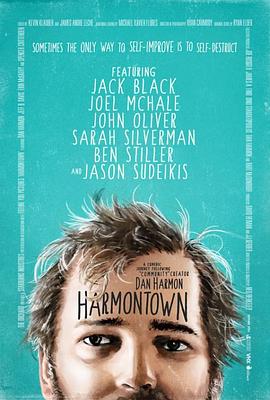
本片记录了丹·哈萌2012年被<废柴联盟>剧组开除后所进行的<哈萌小镇>博客巡演,中间穿插着他事业发展和<废柴联盟>那些事儿。 哈萌的作品多涉及社会边缘人物,最知名的是<废柴联盟 Community>和<瑞克与莫蒂 Rick and Morty>,这不是一部展现他多优秀多完美的纪录片,相反大家可以了解到哈萌口无遮拦吹毛求疵有些偏执的性格伴随药物酒精带给他的情绪和生活起伏,他得罪了不少人,会在舞台上伶仃大醉,甚至用语言和情感暴力对女友造成伤害,但是他也治愈了不少孤单古怪的人,引领着”呆子军团”,有才华也有发现才华的眼
前所未见的大堡礁海洋生物、海景和动物行为的水下镜头。
剧情简介暂缺,敬请期待
《人民团结:一部电影日记》带领观众沉浸在2020年乔治·弗洛伊德抗议活动的原始现实中。影片通过第一手资料,探讨了正义、不平等以及持续影响美国的分裂。
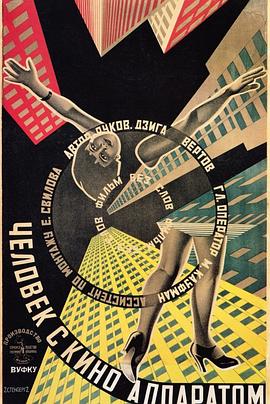
本片是苏联纪录片导演,“电影眼”理论的创始人吉加•维尔托夫(Dziga Vertov)的代表作。电影主要拍摄于乌克兰的敖德萨市,摄像师是维尔托夫的哥哥米凯尔•卡夫曼(Mikhail Kaufman)。影片主要分观众入席、城市黎明、人民的工作与休息、体育运动和艺术实践几部分,通过刻画人民生活的方方面面来呈现苏维埃新社会中的一个理想城市。摄影师米凯尔•卡夫曼在拍摄的同时也出现在电影画面中,首创了“自我暴露”的电影形式。在这部具有里程碑性突破意义的纪录片中,维尔托夫首次使用了二次曝光、快进、慢动作、画面定格、跳跃剪辑、画面分割等前卫剪辑手法,并采用了仰角、特写、推拉镜头等新颖的拍摄手法,并制作了一段定格动画。
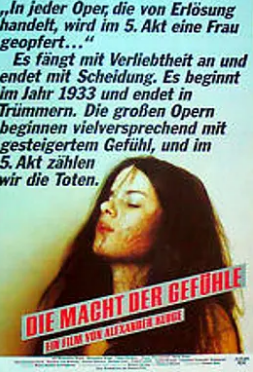
The Power of Emotion explains that emotion isn't to be confused with sentimentality. Emotion is ancient and more powerful than any art form. The film looks at young couples who run into difficulties as they try to translate their experiences of love into clear decision-making. A woman who has shot her husband provides a judge with a puzzle. Those who love can bring the dead back to life by means of co-operation. That's the focus of the opera, "The Power Plant of Emotions" and the "Opera of the 20th Century" cinema. Alexander Kluge: The Power of Feeling When I started working on The Power of Feeling, I was not in a rational state. I did not say, I have a subject and now I will make a film about it. Instead I was spellbound and observed in my direct surroundings, for example, how feelings move. I have not really dealt with the theme of my mother's death and the fact that she was the one who taught me "how feelings move." Nor have I dealt with how she died. That was an entire palette of feelings: "All feelings believe in a happy end," and everyone believes tacitly that they will live forever: The entire palette is somehow optimistic, a positive attitude towards life having been put on the agendaas long as she was young, as long as her body held out, from one day to the next she collapsed. She just suddenly collapsed, like in an opera where disaster takes the stage in the fifth act. It felt as if I had observed an air raid or a disaster. The film The Power of Feeling is not about feelings, but rather their organization: how they can be organized by chance, through outside factors, murder, destiny; how they are organized, how they encounter the fortune they are seeking.What is all this organization of feelings about? Generally feelings tend to be a dictatorship. It is a dictatorship of the moment. The strong feeling I am having right now suppresses the others. For thoughts this would not be the case. One thought attracts others like a magnet. People therefore need affirmation by other people to be sure about their own feelings (to counteract the acquisition of their feelings through outside forces). Through the interaction of many people, for example, in public, the various feelings also have a magnetic attraction to one another just like thoughts do. Feelings communicate through their manifestation in public. The cinema is the public seat of feelings in the 20th century. The organization is set up thusly: Even sad feelings have a happy outcome in the cinema. It is about finding comfort: In the 19th century the opera house was the home to feelings. An overwhelming majority of operas had a tragic end. You observed a victim. I am convinced that there is a more adventuresome combination: Feelings in both the opera and traditional cinema are powerless in the face of destiny's might. In the 20th century feelings barricaded themselves behind this comfort, in the 19th century they entrenched themselves in the validity of the lethal seriousness.